
STRATEGIC CHALLENGES | BRAND & REPUTATION GAP | NONPROFIT

Everyone knows our name, but too few support our work.

Without a clear brand-building strategy, a strong reputation stays invisible to the donors, funders, and partners who could sustain your mission, and the funding gap widens while others tell their story better.

Is this your situation?

Your organization is widely known and respected in your field, but it struggles to grow support beyond the network of people who already know your work.

Your team has never had to make a formal case for support, and now that you need one, no one is sure where to start.

You have a world-class story to tell but no language, infrastructure, or capability to tell it to the audiences who need to hear it.

Your culture has never valued marketing, but a widening funding gap is making that stance increasingly hard to defend.


Why Respected Nonprofits Struggle to Turn Reputation into Support

A brand and reputation gap is the distance between how highly a mission-driven organization is regarded in its field and how clearly it can explain its value to the donors, funders, and partners it needs.

Many respected nonprofits earned their standing through results: strong programs, trusted expertise, and years of quality work. For a long time, that was enough. Support arrived through long-standing relationships, government contracts, or a handful of loyal funders. Then a crack in its funding model appears, and the organization must reach people who have never heard of it.

It discovers that its reputation does not travel. New audiences do not know the field's shorthand, and they cannot see why this organization deserves their support over the many others asking.

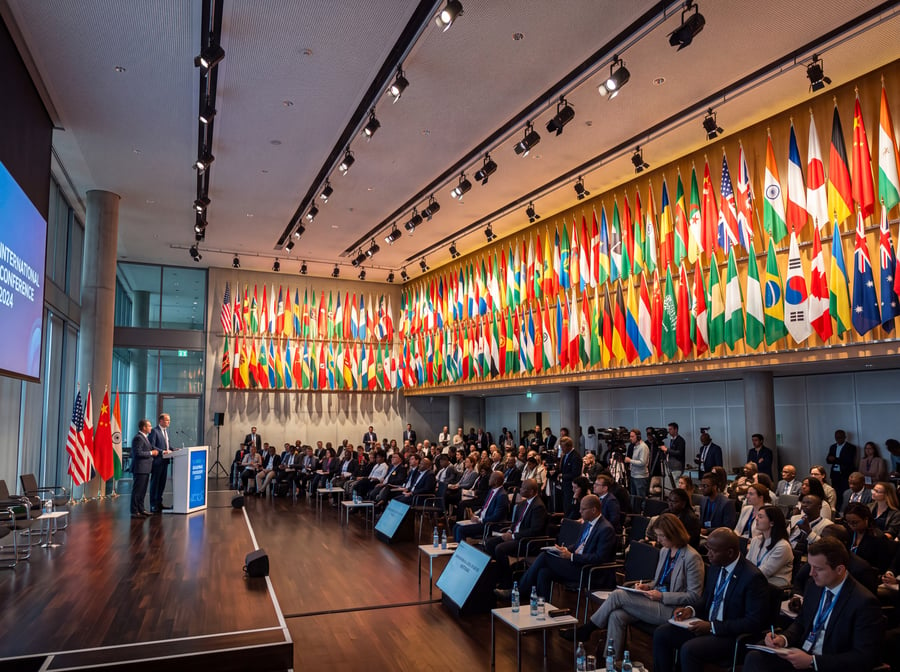
Presenter on an international stage lined with flags, representing a respected nonprofit with a weak case for support

The root cause is that reputation and brand are different assets. Reputation is what peers believe about you. Brand is what you deliberately communicate to the people whose support you need.

Organizations that never had to compete for support never built the second asset: a clear case for support, defined audiences, consistent messages, and the staff and budget to sustain them.

This gap is hard to close for three reasons.

  • First, many mission-driven cultures see marketing as at odds with their values. The work should speak for itself, so building a brand feels like self-promotion.

  • Second, the organizations now competing for the same donors are often long-standing partners and collaborators, so positioning against them feels like a betrayal.

  • Third, when a parent organization, affiliated foundation, or central development office controls donor access and marketing resources, even a sound brand strategy can stall before it is implemented.

The stakes are high. Supporters who cannot understand the case give elsewhere. Peers with clearer stories win the grants, gifts, and media attention. Talented staff who want their work to reach the public move to organizations that have already built a brand. Over time, the reputation that once protected the organization fades as the organization becomes less visible.

Closing the gap starts with seeing where you stand among the organizations competing for the same support, and deciding where you want to be.


What Getting This Right Looks Like:

When a respected organization translates its reputation into a brand, support stops depending on who already knows its name.

  • Leadership can explain in plain terms why the organization deserves support and how it differs from peers and partners.

  • Staff and experts see marketing as a way to share their work rather than a threat to it, and they help tell the story.

  • The case for support reaches donors, funders, and partners beyond the existing network, backed by a multi-year plan and a dedicated budget.

  • Partners and parent organizations understand where the organization fits, so clearer positioning strengthens relationships instead of straining them.

The organization's standing grows rather than erodes, because more of the people who could fund its future finally understand what it does.


How Focused Momentum Solves the Nonprofit Brand & Reputation Gap:

Focused Momentum starts from a simple principle: reputation is not a brand. Brand strategy is translation, turning what an organization knows about itself into a story its supporters can act on. We ground that story in the organization's strategic direction, not in slogans, and we map the competitive landscape first so leaders can see how a stronger brand protects their standing and their partnerships.

We deliver this through a full Strategy Summit® engagement, grounded in our Strategic Focus Market Mapping™ methodology, which shows where your organization stands among those competing for the same support and where it can lead. Cecilia Lynch designs the engagement and is the lead facilitator of every strategy session, bringing in brand and marketing specialists from her consulting team to help turn your position into a case for support donors can act on. For a nonprofit, the “market” is everyone outside its walls who shapes its future: the people it serves, the donors and funders it competes for, and the other organizations working on the same problem.

What's included:

Brand and Communications Assessment

Stakeholder interviews, a review of current marketing and communications, and research on how peer organizations make their case.

Competitive Market Mapping

A clear picture of the organizations pursuing the same supporters, your current and desired position, and where partners fit.

Brand Strategy and Implementation Support

A brand-building strategy linked to your strategic plan, with marketing goals, target audiences, a multi-year plan, and a budget to carry it out.

Case Study Spotlight

“It is the combination of knowing her profession and the ease and speed with which she can understand your organization that sets Cecilia and her firm apart.”

— Nigella H., Nonprofit CEO

Full strategic plan and implementation — Strategy Summit® | Years of international success | Managing has blinded management from real change

See how a world-renowned institution that had never needed to market itself built the brand, plan, and capability to compete for private support for the first time.

Read the full story →

Discover Your Strategic Planning Leadership Style

Changing how an organization tells its story starts with how its leaders guide the conversation.

The Strategic Planning Leadership Style quiz shows whether you lead as a Directive Planner, Participative Organizer, Collaborative Guide, or Transformational Strategist, with tips for using your style to bring staff and board along.

Ready to turn your reputation into lasting support?

Frequently Asked Questions About the Nonprofit Brand and Reputation Gap

Related Strategic Challenges

Facing a Funding Cliff

Replace disappearing core funding before the gap becomes a crisis

Read more →

A Mission That Blends In

Define what makes your organization distinct

Read more →

A Milestone Worth Planning For

Use a landmark anniversary to set your next chapter

Read more →